TL;DR: Wondering why your Labrador pants so much? Labradors pant more than some breeds because they are high-energy working dogs that gain weight easily, and extra weight raises the panting baseline. Panting after exercise or in warmth is normal. Panting at rest in a cool room, with pale or blue gums or lethargy, needs a vet check.
Key takeaways
- Labradors are athletic, high-output dogs, so long post-exercise panting is normal.
- Labs gain weight easily, and extra pounds noticeably increase everyday panting.
- Excitement and anxiety trigger panting even in a cool room.
- Panting at rest with pale or blue gums, or a sudden change, needs a vet.
Labradors are built to work — retrieving, swimming, and running for hours — and that athletic engine runs warm. A Lab pants to shed the heat that all that energy produces, so a fair amount of panting is simply the breed being the breed.
But Labradors also gain weight more easily than almost any breed, and weight changes the panting picture fast. Knowing the common causes helps you tell normal Lab panting from the kind that needs attention.
Track your Lab's panting before the vet visit
PetStory lets you log when your Labrador pants, for how long, and what came before it. A week of notes turns a vague symptom into something a vet can actually act on.
Related reading
- Dog sleep guide: cycles, positions, routines, and warning signs - Part of the dog sleep and daily rhythm guide cluster.
- Why does my German shepherd pant so much? - Part of the dog sleep and daily rhythm guide cluster.
- Why does my dog sigh? - Part of the dog sleep and daily rhythm guide cluster.
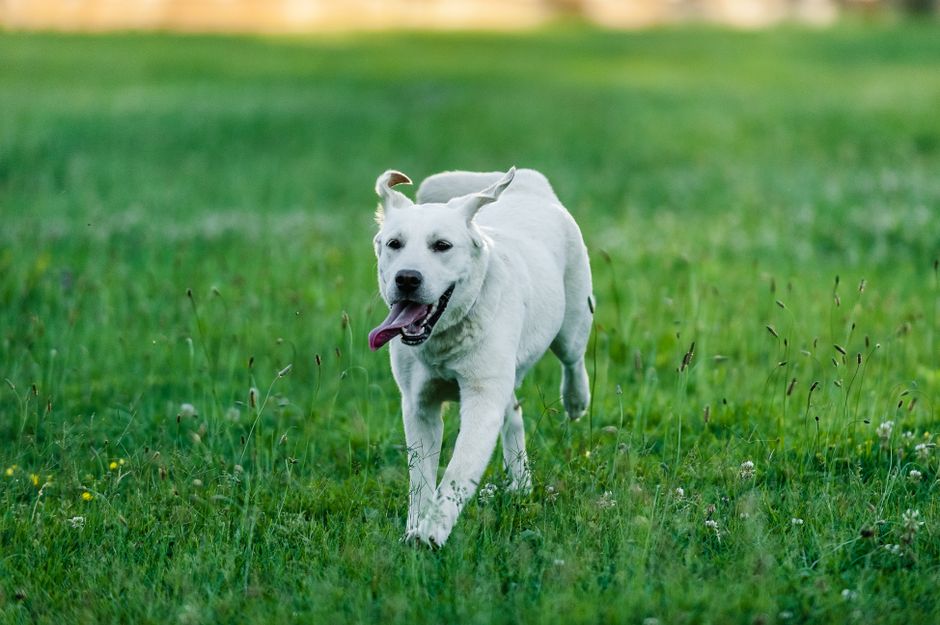
Why does my Labrador pant so much? The short answer
Direct answer: Labradors pant a lot because they are high-energy working dogs whose active bodies produce a lot of heat, and because Labs gain weight easily — and extra weight raises the panting baseline. They are also emotionally expressive. Most panting is normal. Panting at rest in a cool room, with pale or blue gums or lethargy, is the sign that needs a vet.
The ASPCA dog care guide explains that dogs cool themselves mainly by panting, releasing heat through evaporation from the tongue and airway rather than sweating through the skin. A more active or heavier dog generates more heat and therefore pants more.
Labradors check both boxes. The breed was developed as a hard-working retriever with real stamina, so a Lab produces plenty of body heat during activity. Add the breed's well-known appetite and tendency to gain weight, and the everyday panting baseline climbs.
Action checklist
- High activity: Labs are athletic retrievers built for stamina.
- Weight gain: Labradors put on weight easily, which increases panting.
- Emotional response: excitement, anxiety, and stress all trigger panting.
- Age and coat: older joints and a water-resistant double coat add to it.
Practical takeaway
Panting context — not just volume — is the most useful diagnostic in a Lab.
Cause 1: Weight and the Labrador appetite
Labradors are genetically predisposed to a strong appetite, and many carry a gene variant linked to food motivation and weight gain. Extra fat around the chest and abdomen makes breathing physically harder, so an overweight Lab pants more during everyday activity than a lean one of the same age.
Weight is also the most fixable cause. Keeping a Labrador at a healthy body condition — ribs easy to feel, a visible waist from above — directly lowers the panting baseline and protects the joints and heart. If your Lab pants more than it used to and the scale has crept up, weight is the first thing to address.
Action checklist
- You should feel the ribs easily and see a waist from above.
- Measure meals rather than free-feeding, and account for treats.
- A heavier Lab pants more at rest and tires faster on walks.
- Gradual weight loss under a vet's guidance reduces panting over weeks.
Practical takeaway
Weight is the most common and most fixable driver of extra panting in Labradors.
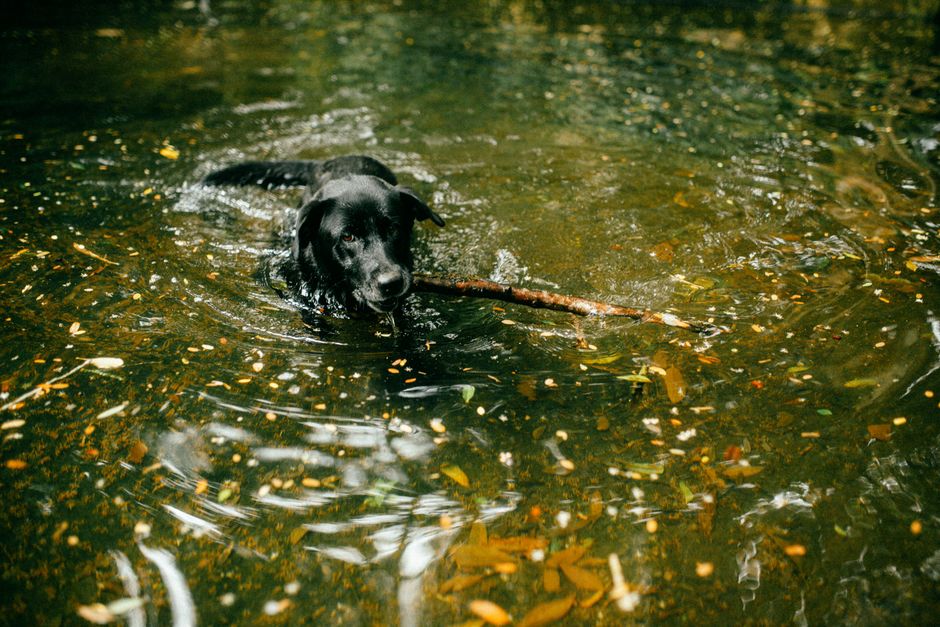
Cause 2: Exercise drive and recovery
Labradors are moderate-to-high energy dogs that typically need one to two hours of activity a day. During and after that exercise, sustained panting for 10 to 20 minutes is normal, even in cool weather, as the dog releases the heat it built up running, swimming, or retrieving.
The concern is panting that will not settle after a reasonable cool-down. If your Lab is still breathing hard 30 to 40 minutes after a session, the activity may have been too long for the temperature, the dog may be overweight, or there may be an underlying heart or respiratory issue worth checking with a vet.
Action checklist
- Expect 10 to 20 minutes of heavy panting after moderate exercise.
- Offer water after exercise, not during intense activity.
- Above 80°F, shorten outdoor sessions significantly.
- Labs love water — swimming is a great low-heat way to burn energy.
Practical takeaway
Panting after exercise is normal; panting that never resolves is not.
Cause 3: Excitement, anxiety, and heat
Labradors are sociable, enthusiastic dogs, and that emotional drive shows up as panting during greetings, play, car rides, and vet visits. This excited or anxious panting usually tracks the situation and fades once the dog calms, so it is rarely a medical concern on its own.
Heat still deserves respect. A Lab's water-resistant double coat and active metabolism mean the dog can overheat on a hot day, especially if overweight. Frantic panting with a bright red tongue, heavy drool, or unsteadiness is a heat emergency — move the dog to shade, offer water, apply cool water to the belly and paws, and seek a vet if gums change color.
Action checklist
- Situational panting during greetings, play, and car rides is usually normal.
- Anxiety panting often comes with pacing, lip licking, or clinginess.
- Overweight Labs overheat faster — manage weight and heat together.
- Frantic panting plus bright red gums is a heat emergency.
Practical takeaway
Excited panting is behavioral; frantic panting in heat is an emergency.
When to see a vet
Most Labrador panting is normal, but several situations warrant a vet call: panting at rest in a cool, comfortable room with no obvious cause; panting paired with pale, blue, or bright red gums; sudden heavy panting without exercise, heat, or stress; panting with a swollen or distended abdomen; or any new pattern in a senior Lab.
Senior Labradors that begin panting more should be checked for pain from arthritis, as well as heart disease and hormonal conditions such as Cushing's disease, which raises panting, thirst, and appetite. A vet can separate a Lab that simply runs warm from one whose resting breathing has truly changed.
Action checklist
- Panting at rest in a cool room: could be pain, cardiac, or hormonal.
- Rapid or labored breathing with abnormal gum color: emergency.
- Distended abdomen with restless panting: seek urgent care.
- Increased panting in a senior Lab: ask about pain, heart, and Cushing's checks.
Practical takeaway
Any panting that does not fit weight, heat, exercise, or anxiety should be evaluated.