TL;DR: Why does my golden retriever shed so much? Goldens carry a dense double coat that releases fur year-round and blows out heavily in spring and fall, so steady shedding is normal for the breed. Diet gaps, stress, and skin problems push it higher. Even shedding with healthy skin is fine; bald patches, redness, or constant scratching point to a problem a vet should check.
Key takeaways
- Golden retrievers shed year-round because their water-resistant double coat constantly replaces undercoat.
- Expect two heavy coat blows a year, in spring and fall, when the undercoat releases in clumps.
- A diet short on quality protein and omega-3 fats makes the coat brittle and raises shedding.
- Bald patches, red or flaky skin, or constant scratching mean the shedding is medical, not seasonal.
Golden retrievers are heavy shedders, and for the breed that is by design. The same dense, water-resistant double coat that let goldens retrieve waterfowl in cold lakes constantly renews itself, so a steady layer of fur on your floors is part of owning one.
The useful question for an owner is not how to stop the shedding but whether the amount you are seeing is normal. This guide covers what a healthy golden coat does across the year, what pushes shedding above baseline, and the skin signs that separate a seasonal blow from a medical problem.
Track your golden retriever's coat before the vet visit
PetStory lets you log when the shedding spikes, where the coat looks thin, and what changed in food or routine. A few weeks of notes helps a vet tell a normal seasonal blow from allergies, parasites, or a hormonal cause.
Related reading
- How to stop a dog from jumping on people - Part of the dog training, body signals, and daily health guide cluster.
- Why does my dog pee so much? - Part of the dog training, body signals, and daily health guide cluster.
- Why does my dog nibble me? - Part of the dog training, body signals, and daily health guide cluster.
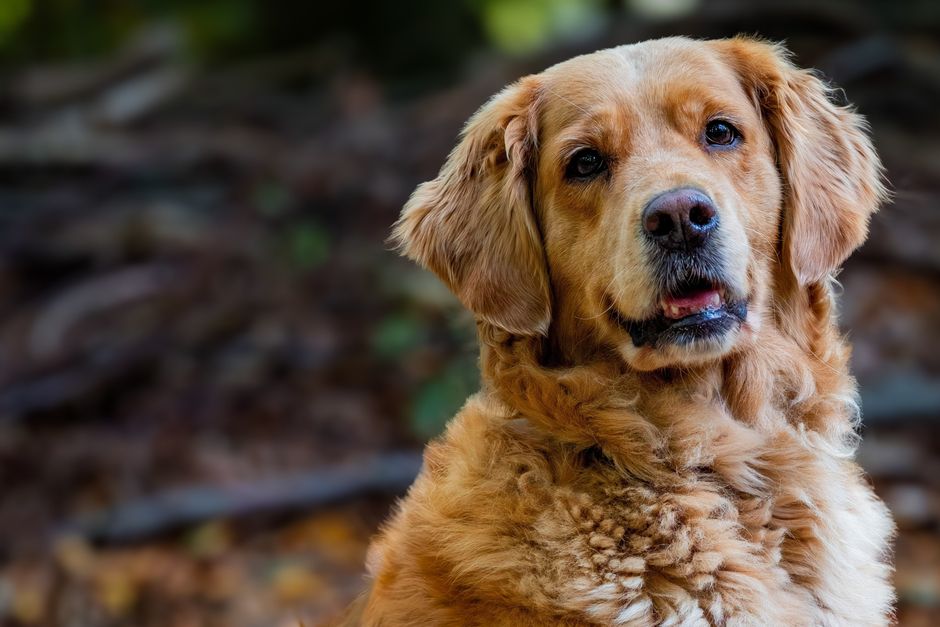
Why does my golden retriever shed so much? The short answer
Direct answer: Golden retrievers shed so much because they carry a dense double coat: a soft insulating undercoat beneath a longer outer coat. The undercoat renews year-round and releases heavily in spring and fall. That steady shedding is normal for the breed. Bald patches, irritated skin, or a sudden spike outside shedding season point to a medical cause.
The AKC guide to dog shedding explains that double-coated breeds shed the most because the undercoat cycles continuously, and goldens sit firmly in that group. If you compare notes with a friend who owns a short single-coated dog, your golden will always lose more fur, and that gap is breed, not health.
The volume still varies from dog to dog. Age, whether the dog is spayed or neutered, indoor temperature, diet, and skin health all move the baseline. The sections below walk through the three drivers that explain most of the fur, then the warning signs that mean the coat itself is telling you something is wrong.
Action checklist
- Double coat: the insulating undercoat renews constantly and releases in volume.
- Season: spring and fall coat blows are the heaviest weeks of the year.
- Diet and stress: poor nutrition or big routine changes raise shedding.
- Skin and health: allergies, parasites, and hormones cause abnormal fur loss.
Practical takeaway
A golden's double coat makes heavy shedding normal; skin changes are what make it a concern.
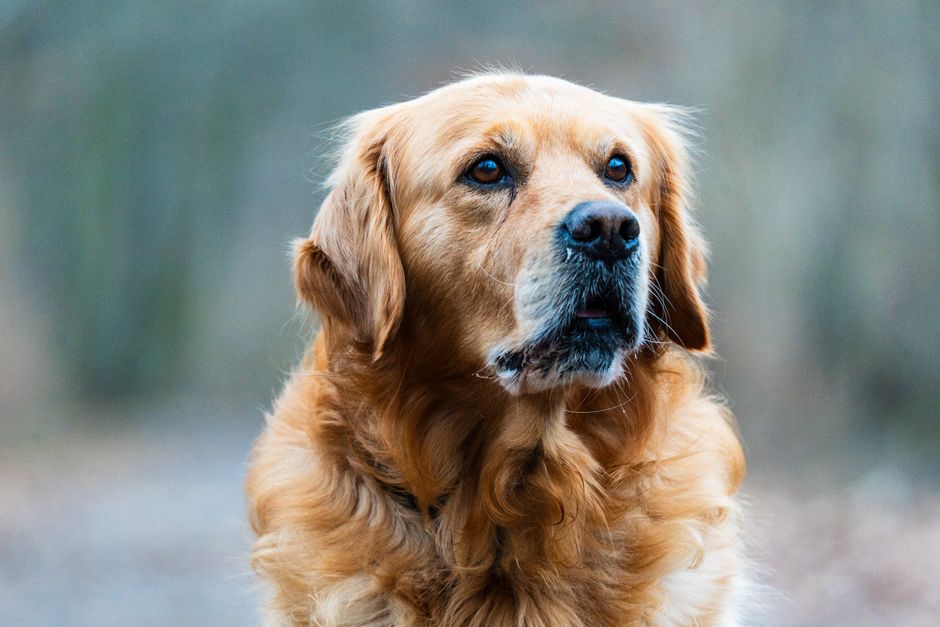
Cause 1: The double coat goldens were bred with
A golden retriever wears two coats at once. The outer coat is longer and water-repellent; underneath sits a dense, soft undercoat that insulates against cold water and winter air. Insulation only works if it stays fresh, so the undercoat sheds and regrows all year, which is why you find fur in July as well as October. New owners are often surprised that the fluffy puppy coat gives way to this adult double coat somewhere around six months, and shedding rises noticeably at that transition.
You cannot change the coat, but you can decide where the fur ends up. Brushing with an undercoat rake or slicker brush two to three times a week pulls loose undercoat out before it reaches the couch, and daily brushing during heavy weeks makes an apartment with a golden livable. Never shave a golden to cut the shedding: the coat protects against sunburn and heat, and a shaved double coat often grows back patchy.
Action checklist
- The undercoat renews year-round, so some shedding never stops.
- The adult coat comes in around six months and sheds more than the puppy coat.
- An undercoat rake or slicker brush two to three times a week controls the volume.
- Do not shave a golden — the double coat protects skin and manages heat.
Practical takeaway
The double coat sets the shedding baseline; a regular brushing routine decides where the fur lands.
Cause 2: Golden retriever shedding season — the coat blow
Twice a year the shedding turns dramatic. In spring a golden drops the thick winter undercoat to prepare for warm weather, and in fall the lighter summer undercoat releases so a denser winter layer can grow in. Owners call it blowing coat: fur lifts out in tufts you can pull free with your fingers, and a single brushing session can fill a grocery bag. Each blow typically runs two to four weeks.
A coat blow is normal and temporary, and the response is mechanical, not medical. Brush daily with an undercoat rake, bathe once with lukewarm water and a gentle dog shampoo to loosen the dead undercoat, and dry thoroughly before a final brush-out. Goldens that live mostly indoors under artificial light often shed more evenly across the year instead, so a missing coat blow is not by itself a problem.
Action checklist
- Expect heavy blows in spring and fall, each lasting two to four weeks.
- Fur releasing in tufts during these weeks is normal, not a health sign.
- Daily raking plus one bath-and-brush-out clears the blow fastest.
- Indoor goldens may spread the same shedding evenly across the year.
Practical takeaway
A spring or fall blow is the coat working as designed — increase brushing and ride it out.
Cause 3: Diet, stress, and skin problems
When a golden sheds beyond its own normal, look at inputs first. A coat is mostly protein, and food short on quality protein and omega-3 fatty acids produces dry, brittle hair that snaps and sheds early. Stress works the same way: a house move, a new baby, or long days alone can trigger a shedding spike a few weeks later. Senior goldens also shed differently as skin thins with age.
Skin disease is the driver that needs attention. Goldens are prone to allergies and hot spots, and fleas, mites, or a skin infection will push fur out in irritated patches rather than an even layer. A golden that sheds heavily and also chews at itself is telling you the problem is skin, not season — the same pattern behind a dog that licks his paws constantly. A greasy coat or a dog that suddenly smells bad alongside heavy shedding points the same direction.
Action checklist
- Feed a diet with quality protein and omega-3 fats to keep hair anchored.
- Stress and routine changes can raise shedding for several weeks.
- Allergies, fleas, mites, and hot spots cause patchy, irritated fur loss.
- Shedding plus scratching, chewing, or odor means check the skin, not the calendar.
Practical takeaway
Even shedding is coat biology; itchy, patchy, or smelly shedding is a skin problem.
When to see a vet about golden retriever shedding
Normal golden shedding, even at its heaviest, leaves an even coat over healthy skin. See a vet when the pattern breaks: bald patches or clearly thinning areas, red, flaky, or scabbed skin, constant scratching or chewing, a dull coat that does not improve with diet and brushing, or a sudden heavy shed outside spring and fall. The VCA overview of alopecia in dogs lists allergies, parasites, infections, and hormonal disease as the common medical causes of that kind of fur loss.
Two golden-specific notes are worth flagging at the appointment. The breed has above-average rates of hypothyroidism, which shows up as thinning fur, weight gain, and low energy, and of skin allergies that turn shedding patchy. Both are treatable, and a fur-loss timeline you can hand the vet shortens the diagnostic guesswork considerably.
Action checklist
- Bald patches, thinning areas, or scabbed skin: book a vet visit.
- Shedding with constant scratching or chewing: likely allergies or parasites.
- Thinning coat plus weight gain and low energy: ask about hypothyroidism.
- A sudden heavy shed outside spring or fall deserves a check.
Practical takeaway
Heavy but even shedding is the breed; broken skin, bald spots, or sudden change is the vet's job.